

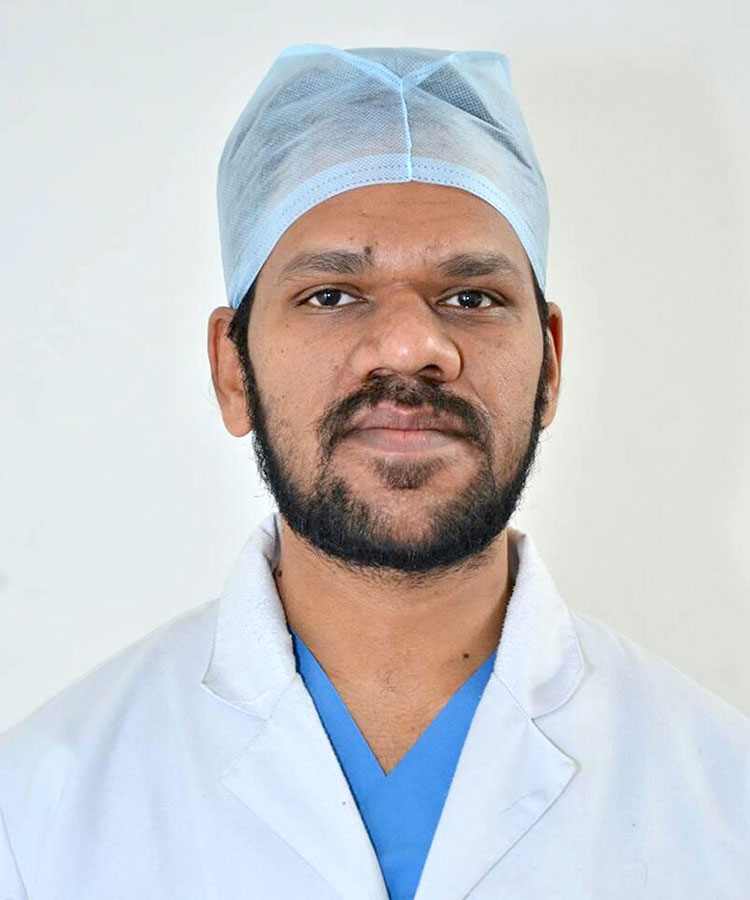
MBBS, FCPS, DNB General Surgery FMAS, FIAGES, FACRSI General & Laparoscopic Surgeon, Colorectal & Bariatric Surgeon
Laparoscopic surgery is a minimally invasive surgical technique used in the abdominal and pelvic areas. It uses the aid of a laparoscope — a thin, telescopic rod with a camera at the end — to see inside your body without opening it all the way up. Instead of the 6- to 12-inch cut necessary for open abdominal surgery, laparoscopic surgery uses two to four small incisions of half an inch or less. One is for the camera, and the others are for the surgical instruments. Minimally invasive surgery may also be called “keyhole surgery,” referring to these small incisions.
Many common surgeries can be performed laparoscopically today. The list includes:
Trocar injuries
Since the original trocar may be inserted blindly before the laparoscope is inserted, there is some risk of injury from the original trocar insertion. Complications are rare but serious.
Insufflation complications
Some people may have an adverse reaction to the carbon-dioxide gas that is used to inflate the abdominal cavity for the procedure. You will be screened for any cardiopulmonary conditions that would put you at risk of these complications prior to surgery.
General surgical risks
All surgeries come with certain general risks. These include, Allergic reaction to anesthesia, Internal adhesions from scar tissue, Excessive bleeding, Wound infection.
In most cases, you’ll be able to go home the same day. Full recovery time is about two to three weeks. During this time, you can expect some normal wound pain. This should be manageable with short-term pain medication and should improve over the first few days. If it doesn’t, let your doctor know.
Contact the doctor if you experience any of the following: